
When One Adult Sees You: What “Matilda” Teaches Us About the Power of Being Seen
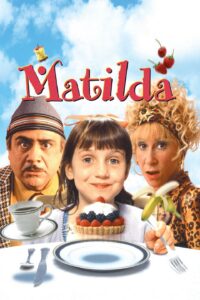
I have probably watched Matilda more than a dozen times throughout my life. I watched it as a child. Years later, I watched it with my older children. And now, I have watched it multiple times with my youngest son. Somehow, no matter how many times I see it, I still love this movie.
But watching a movie as an adult, a mother, and now as someone whose work centers around advocating for children can make you see a familiar story very differently.
As a child, I saw Matilda as funny, incredibly smart, independent, and maybe even a little magical.
Today, I see something else.
I see a child who desperately needed to be seen.
Matilda is surrounded by adults, yet so much of who she is goes unnoticed. Her intelligence is dismissed. Her interests are misunderstood. Her voice is minimized. Even some of the qualities that make her extraordinary are overlooked by the people who should know her best.
Then comes Miss Honey.
She pays attention.
She listens.
She recognizes Matilda’s strengths.
She sees possibility, but more importantly, she sees Matilda.
That distinction matters.
In our work at Atlanta CASA, children can sometimes become surrounded by words that describe what has happened around them. Court dates. Placements. Case plans. Allegations. Hearings. Reports. Services.
All of those things are important. But none of them tell us everything about a child.
A file cannot tell you the way a child’s face changes when they talk about something they love.
A report may not tell you what makes them laugh.
A court hearing cannot fully capture their dreams.
And a case number will never tell you who they are.
That is one of the reasons I believe so strongly in the role of a CASA volunteer.
Our volunteers have an opportunity to know the child beyond the paperwork. They can ask questions. They can listen. They can notice changes. They can learn what matters to that child and make sure their voice does not disappear among all the adult conversations happening around them.
Sometimes advocacy begins with something incredibly simple:
Paying attention.
There is another part of Matilda that stands out to me now. Miss Honey does not give Matilda her intelligence, courage, curiosity, or potential. Those qualities were already there.
She simply recognizes them.
I think there is an important lesson in that for anyone who works with children.
Our job is not to create a child’s worth.
They already have it.
Our job is not to decide whether a child has potential.
They already do.
And our job is certainly not to become the hero of their story.
Our responsibility is to listen, advocate, encourage, and help create the conditions where children can be heard, supported, safe, and given opportunities to thrive.
As a mother, I think about this too.
I have raised children through different seasons of my own life, and one thing motherhood continues to teach me is that children need more than adults who provide for them. They need adults who know them.
Who notices when something is different?
Who remembers what they said last time?
Who asks the second question?
Who celebrates the things that matter to them?
Who believes them when something does not feel right?
Who reminds them of their strengths when circumstances make those strengths difficult for them to see?
For children experiencing foster care, those questions can carry even greater weight.
A child may experience changes in homes, schools, professionals, routines, and relationships. In the middle of so much transition, having a consistent adult who takes the time to know them can matter tremendously.
Maybe that is why, after all these years and all these viewings, Matilda still resonates with me.
Yes, it is imaginative. It is funny. It is nostalgic. And it will probably always be one of those movies I can watch again.
But underneath all of that is a reminder I appreciate even more today than I did when I first watched it as a child:
Never underestimate what it means for a child to know that someone sees them.
At Atlanta CASA, we want every child we serve to know that their story matters, their voice matters, and they matter.
Because sometimes one of the most powerful things an adult can communicate to a child is simply:
I see you. I hear you. And what matters to you matters to me.